The independent hotel checklist for 2027: 10 steps to prepare

Looking back on the past year, how much time did you spend juggling pricing, distribution, operations and guest communication?
And how much time was lost due to tedious processes or limited resources? While larger hotels have specialized staff or even teams to handle each of those tasks, independent hoteliers often have to wear various hats.
But it doesn’t have to be this way. Independent hoteliers have a big advantage over larger chains: agility. When armed with smart budgeting and efficient technology, independent properties can pivot faster, personalize better and run more profitably.
This guide walks you through the essential steps to prepare your hotel for a strong and stress-free 2026, with clear to do’s you can tick off right away. You can also download the checklist here!
Key takeaways
Review rate plans, occupancy, extras and net revenue per channel before you set 2027 prices, and adjust year-over-year comparisons for one-off events.
Fix distribution basics: matching channel mapping, instant availability sync, and a calendar open through the end of 2027.
Test how ChatGPT, Google's AI Mode and Gemini describe your hotel, and whose booking button they show.
Keep your booking path fast on mobile and your direct rate competitive with the OTAs.
Automate repetitive work so a small team can spend its time on guests.
The 2027 checklist at a glance
| Check | Done when |
| Rate plans and extras | You keep three or four clear rate plans, and each extra has a price and a description guests understand |
| Occupancy and year-over-year results | You know your weak dates and the dates that sold out too early, adjusted for one-off events |
| Net revenue per channel | You can rank every channel by net revenue after commission and cancellations |
| Mapping and sync | Room types and rate plans match on every channel, and availability updates instantly |
| Open calendar | Rates and availability are open through the end of 2027 |
| Google price feed | Your own prices reach Google through Hotel Center, your booking engine, your channel manager or a connectivity partner |
| AI visibility test | You have tested at least three AI assistants and noted what they say and whose booking button they offer |
| Direct rate and website | Your direct rate is competitive with the OTAs, and guests can book in three or four clicks on mobile |
| Guest experience | You use small tools to cut manual steps, and you save notes on repeat guests |
| Automation and staffing | You have a list of tasks to automate and a plan to reduce staff turnover |

What should independent hotels review from 2026 before planning 2027?
Review four things from 2026 before you set 2027 prices: rate plans, occupancy patterns, extras, and net revenue per channel after commission. Together they show where revenue was lost and which parts of your offer to simplify. Even a short, structured audit can reveal quick wins.
Rate plans and extras
Many small hotels launch rate plans and never evaluate them again. Over time this confuses guests, reduces direct bookings and pushes you to compete on price instead of value.
Compare how each rate plan performed by season, and how it converts on your website versus OTAs.
Compare average daily rate (ADR) between flexible and non-refundable plans, and check cancellation patterns.
Expand high-performing plans to more OTAs or promote them on your website. Rename, simplify or remove low performers, and consolidate similar plans into three or four clear options.
Check that direct-exclusive perks are visible and that no discount is too steep on high-demand dates.
For extras, list which were bought most often, by whom, and which produced the most extra revenue. Bundle popular extras into packages, give rarely chosen ones a better description or drop them, and consider extras guests ask for, such as early check-in, late check-out, romantic add-ons, local treats or breakfast upgrades.
Occupancy and year-over-year results
Occupancy patterns show which days you struggle to fill, which dates you underpriced, and where demand naturally flows.
List the days with consistently low occupancy and the high-demand dates that sold out too early. Compare weekdays with weekends.
Use low-occupancy dates for targeted promotions or themed packages. On dates that sold out early, raise your price floor and consider length-of-stay restrictions.
Compare RevPAR, ADR, occupancy and costs year over year, and check whether cleaning or payroll costs are growing faster than revenue.
Adjust your comparisons for one-off events. A major event in your market in 2026, such as a sports tournament, festival or conference, can make last year's numbers look better than your underlying demand, so compare against a normal month as well as the same month last year. Forecasts for your region are only a baseline, so let your own data drive your budget.
Net revenue per channel
OTAs drive visibility and occupancy, but they are not equally valuable. Rank each channel by net revenue after commission, not by booking count.
For each OTA, review net revenue, lead time, cancellation and no-show rates, conversion compared with impressions, average rate per guest and average length of stay.
Give more attention, promotions or richer content to the OTAs that fill low-demand periods or bring high-value guests. Reconfigure or drop those with high cancellations or weak returns.
Check whether mobile discounts cut into your direct pricing, and whether you depend too heavily on one OTA. A healthy channel mix protects your margin and helps you cut OTA commissions.

How do you fix your distribution setup for 2027?
Check three things: that room types and rate plans are mapped identically on every channel, that availability syncs instantly, and that your calendar is open and priced through the end of 2027. If you run Google Hotel Ads, also confirm that Google receives your own prices.
Channel mapping and availability sync
Review room types, rate plan names, occupancy limits and policies on each OTA, and make sure they match exactly.
Check whether anyone created a rate plan directly on Booking.com instead of through your channel manager.
Confirm that room types and rate plans map correctly between your OTAs, your channel manager and your PMS.
Compare availability on your website and each OTA, look for delays or manual steps, and check for rooms blocked by accident. Instant sync prevents overbookings and saves manual work.
An open calendar
Many independent hotels lose revenue because their calendar does not extend far enough. Families, event attendees and international guests plan early and will not wait for you to release dates. Check how far ahead guests can book on each channel, and open and price your calendar at least through the end of 2027. Price key holidays and events, and set length-of-stay restrictions on special weekends. A longer booking window also improves your forecasting for pricing and staffing.
Your price feed to Google
If you run Google Hotel Ads, check this one. Until this autumn, a hotel could run those ads without sending Google its own rates, because Google sourced prices from third parties. Google ended that option after 30 September 2026. Affected campaigns stop serving, and to continue a hotel needs a direct price feed through an integration partner or a Hotel Center account, linked to Google Ads, with campaigns recreated (Google Help).

How do independent hotels get found in AI search and on Google in 2027?
Independent hotels get found in AI search by keeping the same accurate facts everywhere an AI assistant reads them: the hotel's own website, Google Business Profile, review sites and OTA listings. Keep room details, policies and rates consistent, answer common guest questions in plain text on your site, and test prompts such as "best boutique hotel in [your town]" every quarter.
What changed in 2026
Since 27 August 2026, Google's AI Mode lets US travelers book hotels without leaving the answer.
ChatGPT started showing more outbound links to hotel websites on 7 May 2025. Since then, AI's share of traffic relative to organic search has grown from about 2% to about 3.1–3.2%.
A direct-booking route into ChatGPT now exists. Lighthouse launched Connect AI that sends the guest to the hotel's own website to book.
Phocuswright found that 56% of US leisure travelers used AI for at least one trip in the previous 12 months, up from 43% in the second half of 2025.
What to do this quarter
Open ChatGPT, Google's AI Mode and Gemini, ask for hotels in your area the way a guest would, then search for your hotel by name. Check the accuracy of what comes back.
Ask each assistant to book a room at your hotel on a night you have availability. Note the rate it quotes and whose booking button closes the sale. If it is not yours, you have found a 2027 project.
Keep room types, amenities, policies and rates identical on your website, Google Business Profile and OTA listings. Keep reviews current and reply to them.
Where your website platform supports it, add structured data for your hotel, rooms and FAQs.
For a deeper walkthrough, read the independent hotelier's guide to AI visibility and how to optimize your hotel website for AI search.
How do you win more direct bookings in 2027?
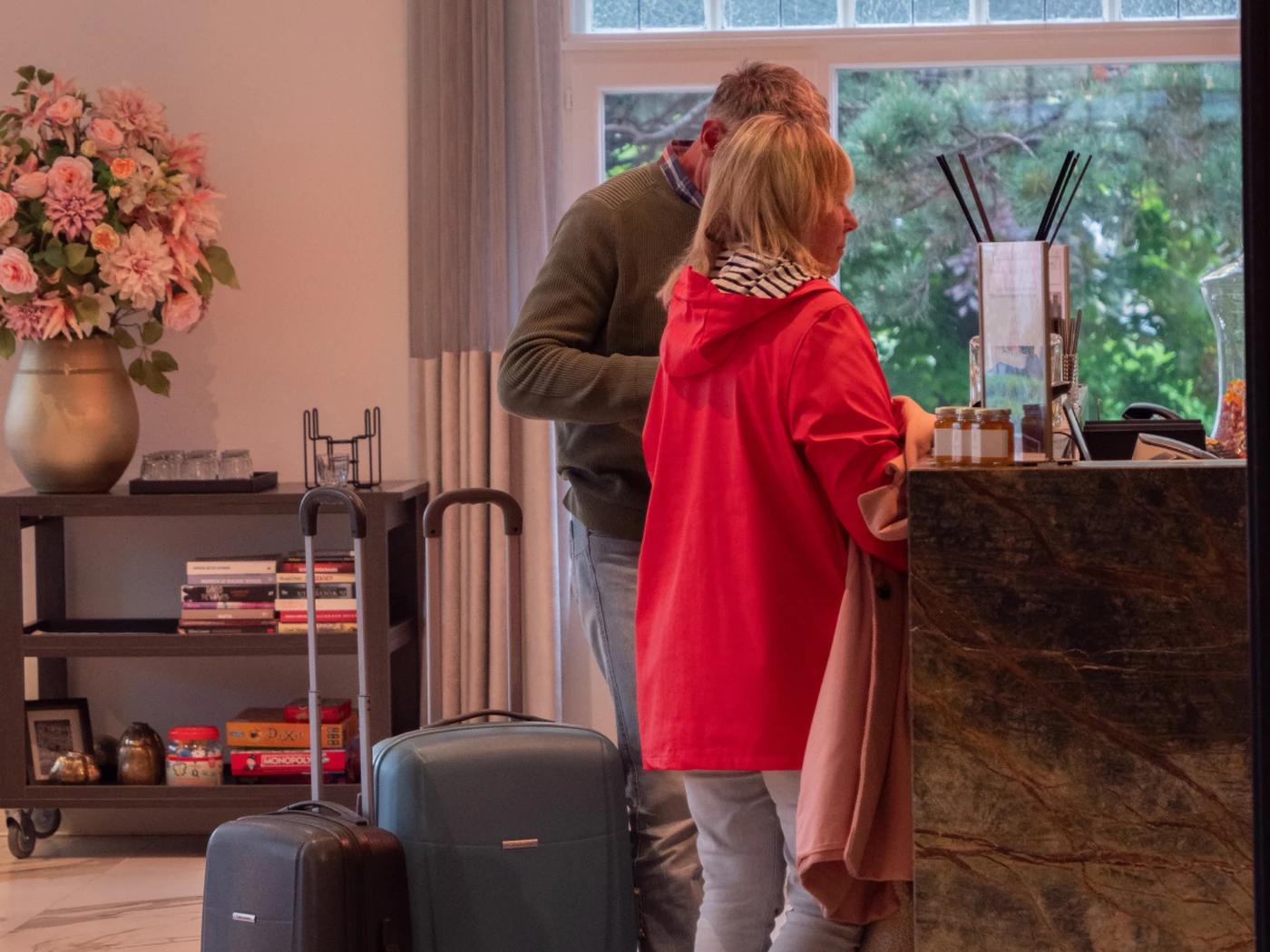
Win direct bookings by making your booking path fast on mobile and your direct rate and perks competitive with the OTAs. Guests compare before they book, so make your direct benefits easy to see.
Your direct rate and booking engine
Review website bounce rate and booking engine conversion, and compare direct and OTA prices.
Check that the booking engine loads quickly on mobile and that direct benefits are clearly highlighted.
Your website
Your website is often a guest's first impression, and a slow or confusing site sends them to OTAs or competitors. Check image and page loading times, mobile usability, and whether the booking module stands out on the homepage. Guests should be able to book in three or four clicks and find crucial information easily. Keep photos and room descriptions professional and current, and follow the guide to optimizing your website for AI search so assistants can read them too.
Data-led marketing
Review your top guest segments, lead time patterns and the return on investment of each campaign. Direct your budget toward the audiences and dates that matter most, and drop generic campaigns. Our digital marketing guide for independent hotels covers this in more depth.
How can independent hotels improve the guest experience without adding workload?
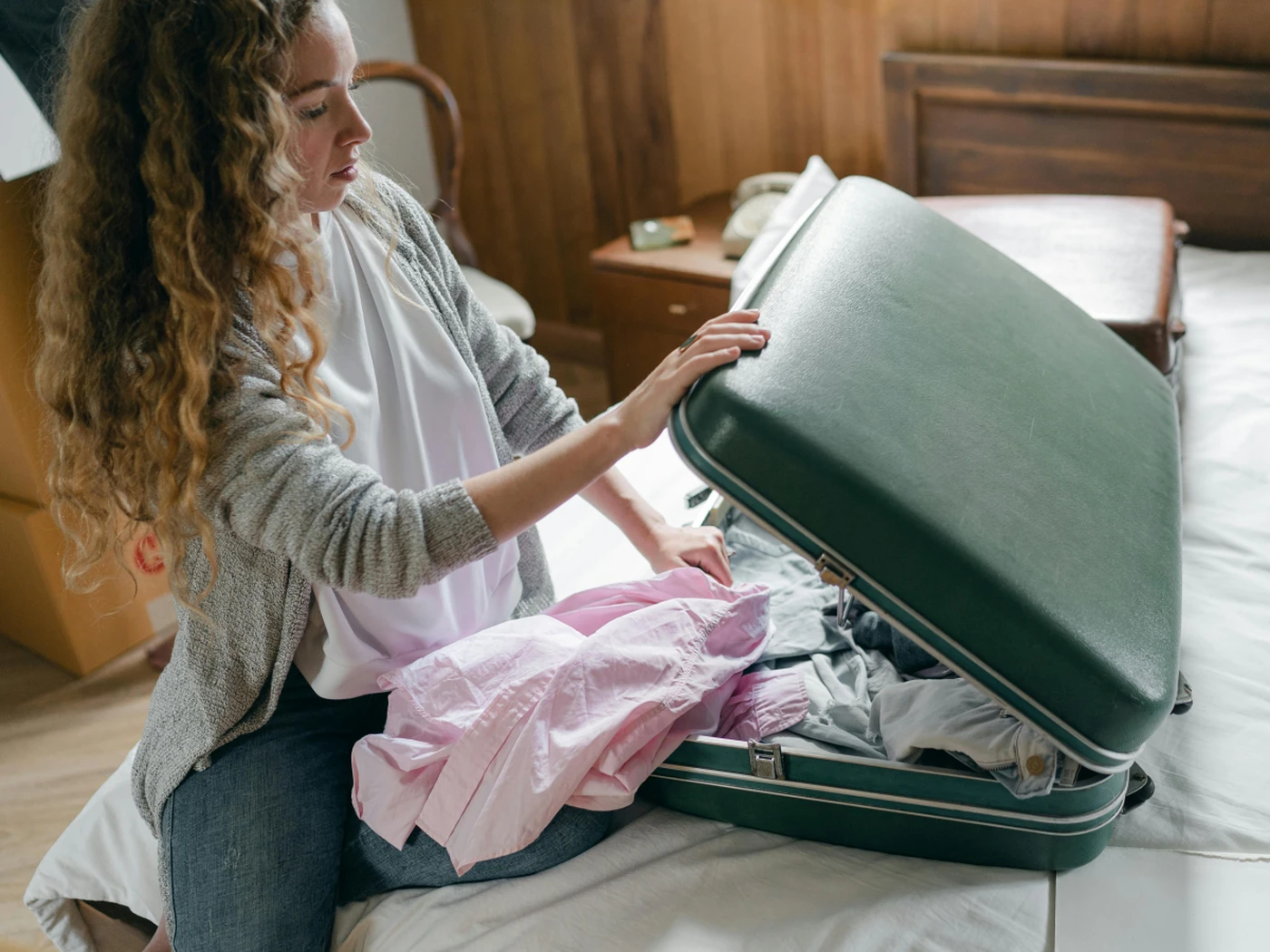
Add small tools that remove manual steps, build experiences around what makes your hotel local, and save the guest details you already collect. Independent hotels can personalize more convincingly than chains because the interactions are genuine, not scripted.
Small smart tools
Track the questions guests ask most at check-in, the manual steps in your daily tasks and the delays in communication. Online check-in, digital guest information and automated emails can save hours of manual work without adding complexity.
Local and authentic experiences
Review guest feedback for local mentions, identify your unique strengths and explore local partnerships. Train staff to offer personal recommendations, and share local tips online. Build packages that feel unmistakably yours.
Personalization
Review repeat guest patterns, record preferences in your reservation system and note frequent requests. Simple, repeatable gestures build loyalty and bring repeat stays, especially through your direct channel.
How can a small team save time with automation and better staffing?
List the repetitive tasks your team does every week, note which are often postponed, and automate the ones that drain the most time: pricing updates, availability sync, guest messaging and payments. Then address retention, because staffing is one of the biggest challenges for independents.
Track time spent on admin and the busiest hours at reception, and make sure staff have what they need at hand.
Review turnover patterns and gather informal feedback on schedules, pay and perks.
Replace manual rate updates and repeated payment steps with automation where you can.
Prepare early, stay agile
Preparing your independent hotel for 2027 doesn’t require major reinventions. It simply requires clarity, smart planning and the right tools to support your daily work. When you rely on data rather than guesswork, adopt technology that removes manual tasks and stay focused on offering a warm, personalized guest experience, your hotel becomes more efficient, profitable and resilient.
The sooner you start preparing, the stronger your position will be. Taking a few practical steps now, like reviewing performance or simplifying your processes, empowers you to stay competitive, seize new opportunities and enter 2027 with confidence.
Frequently asked questions: prepare for 2027
When should independent hotels start planning for 2027?
Start in the fourth quarter. The review steps need a full year of data, and opening your calendar early captures demand from guests who plan ahead for peak seasons and events. Work through the checklist table in the order shown.
What should I review before setting 2027 prices?
Review rate plans, occupancy patterns by weekday and season, extras revenue, and net revenue per channel after commission. Compare year over year, and adjust for one-off events in your market, such as major sports or cultural events.
How far ahead should rates and availability be open?
Open and price your calendar at least through the end of 2027 on every channel. Price key holidays and events, and set length-of-stay restrictions on special weekends.
How can I check whether AI assistants show my hotel?
Ask ChatGPT, Google's AI Mode and Gemini for hotels in your area the way a guest would, then search for your hotel by name. Check the accuracy of the answer, and ask the assistant to book a room on an open night to see whose booking button it offers. Repeat every quarter.
Start ticking off those to do's right now
Loading author...